Smoking and Vaping

Lakelands Public Health is raising awareness about the risks of smoking and vaping. 


Want to Stay Quit?

Ready to take the next step on your quit journey?
Watch videos and learn from others who have quit.

Smoking

Smoking tobacco is the number one cause of preventable disease and death in Canada. Smoking can harm people of all ages. It can affect you whether you smoke yourself or are exposed to second or third hand smoke. Quitting, at any age, can lower health risks and improve overall health. Learn more about the health effects of smoking from Health Canada.

Smoking during pregnancy increases the risk of:

  • Early delivery
  • Stillbirth (death of the baby before birth)
  • Low birth weight
  • Sudden infant death syndrome (known as SIDS or crib death)
  • Ectopic pregnancy
  • Orofacial clefts in infants


For information on Pregnancy and Parenting Supports

Second and Third-Hand Smoke

There is no safe level of second-hand smoke exposure; health risks increase the more you are exposed. Learn more about second-hand smoke and how it affects you from the Canadian Cancer Society.

Third-hand smoke is the toxic chemicals from smoke. They settle into fabrics, carpet, skin, hair, toys and walls. Third hand smoke can have harmful effects. Keeping your home and vehicle smoke free are the best ways to protect yourself and your family.

Respiratory Illness

Smoking raises your risk of getting a breathing illness such as chronic obstructive pulmonary disease (COPD) – a term that includes both emphysema and chronic bronchitis. It can also make respiratory conditions like asthma worse. The Lung Health Foundation provides information on asthma and other respiratory conditions caused or affected by smoking.

If you or someone you know is thinking of quitting smoking and seeking support, here are some helpful resources to assist you: 

Indigenous-Focused Resources

Traditional or sacred tobacco has been used by First Nation peoples for thousands of years. Traditional or sacred tobacco is different from traditional or sacred tobacco. It is used in ceremonial or sacred rituals for healing and purifying.
It is grown and dried naturally, without any additives. According to First Nations elders, the 4 sacred medicines are Tobacco, Cedar, Sage and Sweetgrass. They are said to be given by the Creator to the first peoples of this land. 

If you would like some more information on traditional or sacred tobacco:

Want to Quit Smoking?

Stop on the Net may be for you!

Join today from the comfort of your home and receive free nicotine replacement therapy (NRT) patches and gum/lozenges mailed to your address.

Smoking and Youth

No amount of nicotine is safe for youth. Nicotine is very addictive, especially for youth. This is because their brains are still developing. When youth are exposed to nicotine early, they can become strongly dependent. Nicotine can change brain chemistry, making it harder to quit. According to the Centre for Addiction and Mental Health, the younger a person is when they start using tobacco, the more likely they will continue  smoking and become dependent on nicotine  as adults. Nicotine dependence can have negative effects on mental health. It can also affect a person’s emotional health and how their brain grows and learns. 

Nicotine is a stimulant that can affect the brain and body. It is known for producing feelings of pleasure, alertness, and relaxation. Nicotine can be found in cigarettes, e-cigarettes, and nicotine pouches. 

According to the Centre of Addictions and Mental Health (CAMH), nicotine dependence happens when a person’s body and mind rely on nicotine. This is also called nicotine addiction.

Youth may start smoking or vaping as a social experiment but it can quickly turn to an addiction.

How nicotine affects the brain:

  • Dopamine release: nicotine causes a series of events in your brain that leads to a release of dopamine. This is also known as the “feel good” chemical. This sends messages to the brain that nicotine is a reward and makes you want to repeat the behaviour.

  • Tolerance: The brain starts to depend on nicotine to cause the dopamine release. This contributes to the development of tolerance. The more you consume nicotine, the more your brain needs to release dopamine.

  • Mental health: nicotine dependence can worsen symptoms of anxiety and depression. It can also lead to poor mental health.

  • Psychological dependence: many people connect nicotine with certain situations or habits, like having a cigarette with morning coffee.

How nicotine affects the body:

  • Physical dependence: The body becomes dependent on nicotine over time. This can lead to withdrawal symptoms when it's not available.

  • Cardiovascular issues: Nicotine raises heart rate and blood pressure. This can contribute to heart disease over time. 

  • Respiratory issues: If combined with smoking or vaping, nicotine can damage the lungs and airways. It can lead to chronic conditions like bronchitis or emphysema.

  • Cancer risk: Smoking is a major cause of lung cancer and many other types of cancer. This is due to the harmful chemicals in tobacco.

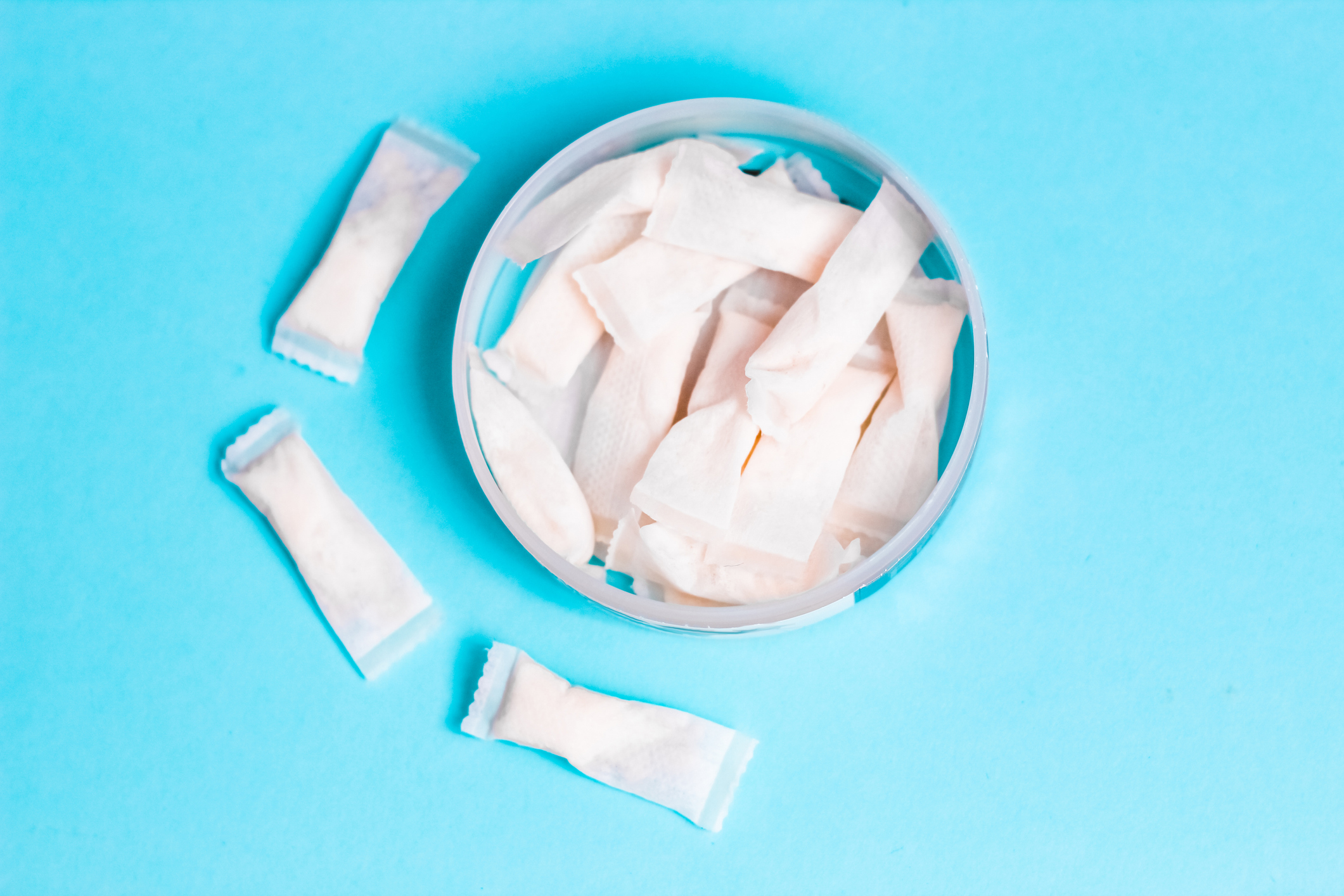
Nicotine pouches are a new product and are becoming very popular. According to the Canadian Lung Association, they are used like tobacco but instead of tobacco, they have nicotine powder and flavouring. These pouches come in many flavours that are designed to attract youth. They are also more discreet and harder to notice. Since this product is new, the long-term effects are unknown. However, it's important to remember that no amount of nicotine is safe for youth.

Nicotine Pouches

“In young people, 5 mg of nicotine a day is enough to establish a nicotine addiction – about the amount of nicotine in one-quarter of an e-cigarette pod”. – The Truth Initiative

Vaping

Vaping among youth is a serious public health concern. Many youth say they start to vape because of interesting flavours, influence from friends and the mistaken idea that it is safe. Click here for more information on the long-term health impacts of vaping.

Vapes come in many shapes, colours, and sizes and are often mistaken by parents as USB drives.


Thinking About Quitting?

Vaping can quickly become an addictive habit with serious health risks. Those who vape may be more likely to start smoking regular (tobacco) cigarettes.  Chronic bronchitis and lung damage are possible life-threatening risks of vaping. To successfully stop vaping, it’s important to understand the risks associated with it and take steps to quit. Youth and people who do not smoke, should not vape. Vaping is marketed as a safer option for those who smoke. A less harmful option doesn’t mean that there are no risks. See here for more facts and information on vaping so you can make an informed decision. 

Quitting vaping, at any age, can improve your overall health. By stopping, you can reduce your risk of heart disease, lung damage, and breathing problems. It will also reduce your chances of heart attack or other heart related issues. It can improve your blood circulation and allow your lungs to heal. This can result in less coughing and better breathing  during exercise. Quitting can also help you avoid the short-term effects of nicotine like headaches, mood swings, and trouble sleeping.  

Pressure from friends and peers can be tough, but it’s Ok to say “no thanks, I’m not interested”. Here are some tips to help you say no when peers try to pressure you to try vaping:  

  • Say a simple “No thanks,” or “Nah, that’s not my thing”.
  • Change the topic – “Hey are you going to practice today”.
  • Walk away and do something else.
  • Talk with a friend, parent, or trusted adult.
  • Blame you parents – you can use them as the “bad guy”.
  • Create a code word with your parent, caregivers and/or friends to let them know you need an excuse to leave a situation.

Click on these links for more ways to say NO:

Vaping: Activity: Refusal skills
Teens: Learning About Vaping

Young Adults (ages 19-29)

Quitting vaping can be hard for many young adults. Research shows that the needs and resources to help youth (grades 7-12) successfully quit, differ from the needs of young adults (ages 19-29) and adults (ages 30 plus). 

Quitting vaping is a new and emerging process. Discuss quitting vaping with a health care provider or pharmacist, who may be able to provide additional advice, support, and resources (for example, nicotine replacement therapy medication). 

i-quit-for-me-guide-youth.pdf

  1. Decide why you want to quit and write it down or put it in your phone.  

  2. Pick a day to stop vaping. Put it on the calendar and tell supportive friends and family that you’re quitting on that day.

  3. Get rid of all vaping supplies. 

  4. Download tools (such as apps and texting programs) to your phone that can help with cravings and give encouragement while you try to stop vaping.

  5. Understand withdrawal and be prepared for the signs of withdrawal.

  6. Avoid places and people that trigger the urge to vape. 

The QUASH App and the My Change Plan App can help with quitting vaping. 

QUASH App: Home

QUASH is available for young adults who are thinking about quitting vaping. The app can assist with feeling better about health, saving money and take back control over health. Visit QUASH to make a quit plan that’s right for you. QUASH can help you quit smoking or vaping. 

My Change Plan App: Visit My Change Plan or download the free App for more tips on planning your quit attempt.

The signs of withdrawal are strongest in the first few days after stopping. They get better over the following days and weeks. 

Think ahead about feelings, people, and places that may make you want to vape. If you feel the urge to vape, try these things instead: 

  • Chew sugar-free gum or drink water 
  • Text, call, or hang out with a friend who will support you 
  • Listen to your favorite playlist 
  • Go for a walk or jog 
  • Try yoga or meditation 
  • Take 10 deep breaths 
  • Keep your hands busy with a hobby, like drawing 
  • Go somewhere where smoking/vaping isn’t allowed 
  • 5 tips for handling nicotine withdrawal

Want to Quit Vaping?

Get Quash today!

Quash is a judgement-free app to help you quit smoking or vaping —the way you want! 

Youth (Under 19)

Are you ready to quit vaping? With the right tips and tricks, you can be on your way to living a healthier life free of vaping. Get insight into the best ways to quit vaping and live a healthier lifestyle.

It starts with planning: 

  • What are the top three reasons why you want to quit?  
  • Write these down. 

The ‘Not An Experiment’ website can help you with quitting vaping or help with quitting tobacco products. Vaping has long-term health effects visit NotAnExperiment.ca for information about going vape-free for good!

Reward yourself: 

  • Make a list of ways to reward yourself when quitting and reward yourself after you have quit for a day, a weekend or a week. 

Triggers

Be aware of triggers, they can be people and places. You can try to avoid them by being aware of them and having a plan to deal with them.  

Solutions

Think about ways to deal with triggers, withdrawal or cravings: 

  • Drink water. Deep breathing. Distract yourself. 
  • Talk to a friend. Text a friend.
  • Stay busy. Get active. Go for a walk.
  • Chew sugar free gum. Read a book. Doodle. 

Think about people who will be there to support you when you are quitting: 

  • Make a list of people you can talk to and depend on while trying to quit.  
  • The list may include your health care provider or your pharmacist. 
  • People on your list are good role models, or good listeners, are very encouraging or are very patient and caring.  
  • Let them know how you would like to be supported when quitting.

Be prepared for withdrawal symptoms and have a plan to deal with the symptoms.
You may experience: 

  • Feeling anxious 
  • Feeling sad  
  • Feeling tired 
  • Headaches 
  • Trouble sleeping 
  • Strong urge to vape 

Withdrawal symptoms are normal and will get better over time. If your symptoms do not go away, talk to your health care provider or pharmacist. 

Parents/Caregivers

Information for parents and caregivers to support their youth.  

The Tobacco industry re-invented itself to create e-cigarettes (vaping). This new invention was appealing to many because:

  • People, especially youth, love electronic devices.
  • Removing the need to burn tobacco means vapes can be marketed as a "safer" alternative to cigarettes.
  • E-liquid comes in thousands of flavours, making them appealing to users of all ages. 
  • Over 90% of youth who vape, started with a flavoured vape.

  • Electronic cigarettes (e-cigarettes), or vapes, are battery-powered devices that turn the liquid in a cartridge (called e-liquid) into a vapor. The user will then inhale the vapor.

  • E-cigarette devices and e-liquid/cartridges are not regulated for consumer safety.
    e.g. There are no regulations to prevent manufactures from using flavoured chemicals known to cause lung damage.

E-Liquid, the liquid contents in an electronic cigarette or vape, is made up of:

  • Chemical Flavouring
  • Nicotine
  • Glycerin
  • Propylene Glycol (PG) is one of the main ingredients found in e-liquids and is a known irritant when inhaled.

Talk to your youth about the influence that the tobacco industry and social influence can have. 

Video on Vaping and the tobacco industry

Video on Vaping and Social Influence

There are several risks for youth who vape. According to Not An Experiment, it can include:

  • Immediate and long-term health effects
  • Lung damage and changes to the brain
  • Addiction to nicotine
  • Difficulty learning and reduced impulse control
  • Increased anxiety and stress

Also, there are many major studies that conclude that youth that use e-cigarettes are more likely to use conventional cigarettes.

Video on Vaping and Health Effects

Video on Vaping and Addiction

Parents, caregivers, teachers and other trusted adults can all start a conversation about smoking and vaping. This can help support youth to understand them.  

Need for more information?

Check out these related resources

Contact Our Team

We’re here to help. Reach out and we’ll respond as quickly as possible.